
Alberta’s industrial emissions system creates a market almost by accident. Large facilities have a limit. Some finish under it and some finish over it. The gap between the two is what gets bought and sold, and the people who understand the mechanics usually get better outcomes than the people who simply look for the highest quoted price.
Three kinds of credit, three different jobs
Facilities regulated under the Technology Innovation and Emissions Reduction Regulation can meet their obligation in a few ways. They can cut emissions at the site. They can pay into the provincial fund. Or they can hand in credits. Those credits come in two main forms: emission performance credits, earned by a facility that beat its own limit, and emission offsets, earned by projects outside the regulated system, such as methane reduction at a well site.

The two behave differently once they are in the market. A performance credit is tied to a facility’s yearly results and arrives after the year is reconciled. An offset is tied to a project, verified period by period. Buyers often care about which one they are getting, because rules about how many of each can count toward compliance are not the same. Anyone weighing carbon credit trading services should start by asking which credit type is actually on offer, and how it was created.
What a trade actually involves
Credits are not handed over in a briefcase. Each one is held in an account on the provincial registry, and a sale is a transfer between two accounts. The Alberta registry records the serial numbers, the vintage and the current holder, so a buyer can confirm a credit exists before any money moves.
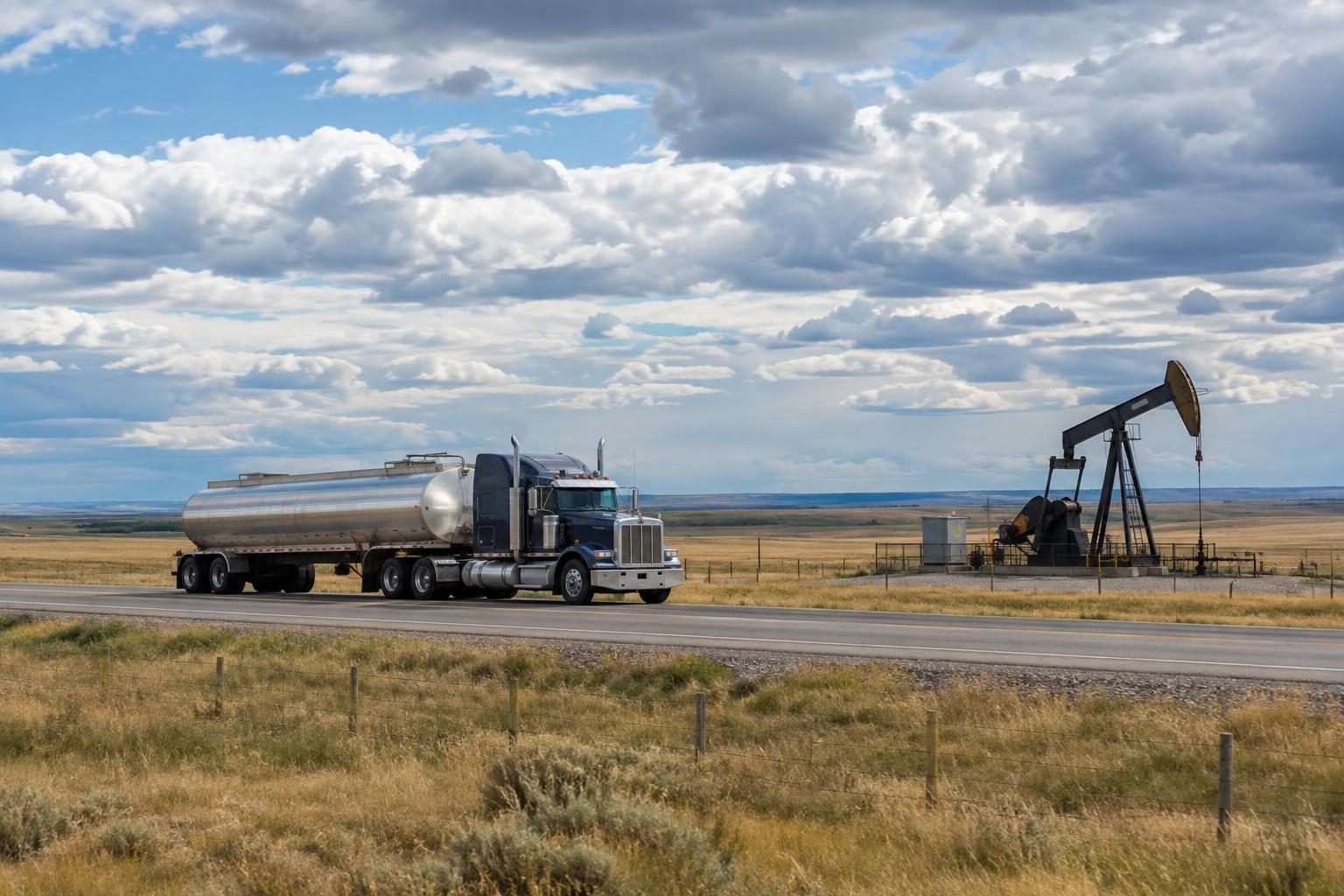
The commercial side is more ordinary than people expect. Most deals are bilateral. A seller and a buyer agree a volume, a vintage and a price, sign a short agreement, and instruct the registry transfer once payment lands. Some go through a broker who knows who is looking. Prices are private, so a seller with a small volume has little to benchmark against, which is where many first-time sellers leave money behind.
Where deals stall
Delays rarely come from the price. They come from the paperwork behind the credit. A few causes show up again and again:
- Vintage mismatch. A buyer needs credits from a particular compliance year, and the seller’s are from another.
- Unclear ownership. A joint venture or a funding agreement may have a claim on the environmental attributes, and that has to be settled before a sale.
- Unfinished verification. A credit that has not cleared its verification cannot be registered, and an unregistered credit cannot be transferred.
- Surprises on the buyer side. A buyer discovers late that the credit type cannot be used for the purpose they had in mind.
Each of these is cheaper to fix before a buyer is involved. A seller who has the registry record, the verification report and the ownership documents in one folder can close in weeks rather than months.
Timing and holding
Whether to sell now or wait is a real decision, not a reflex. The government sets the price of paying into the fund, and that price has been scheduled to rise in steps. Credits tend to be valued against it, which makes holding attractive for some. Others need the cash, or want certainty before their own compliance deadline. The sensible approach is to write down what the credits are for before the first offer arrives: compliance this year, compliance next year, or sale.
Offsets from projects have their own frame, laid out on the province’s page for the emission offset system. Reading it before registering anything saves a surprising amount of rework, because the rules for what counts as additional, and for how long a credit stays valid, shape what a credit is worth.
A practical checklist
Before approaching a buyer, a producer or facility owner should be able to answer five questions: What type of credit is it? Which year does it belong to? Is it registered, and in whose name? Does anyone else have a claim on it? What is it for? If all five have a clear answer, the trade itself is the easy part.
The market is small and the rules are specific, which rewards preparation. The sellers who do well are rarely the ones with the most credits. They are the ones who can show, quickly and cleanly, exactly what they hold and where it came from.